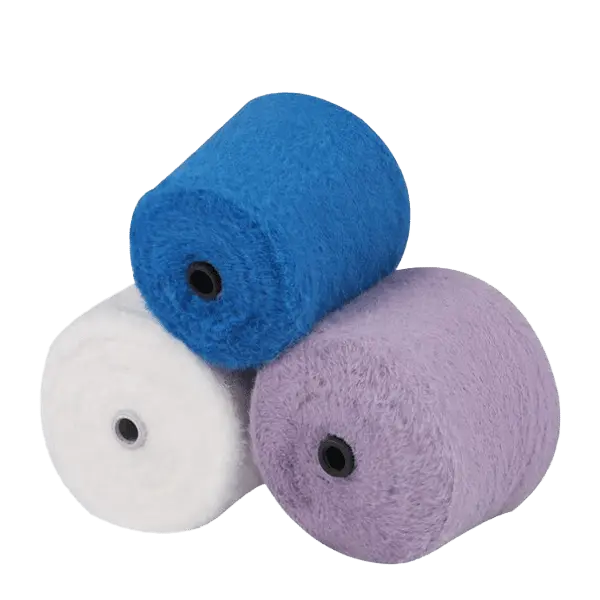
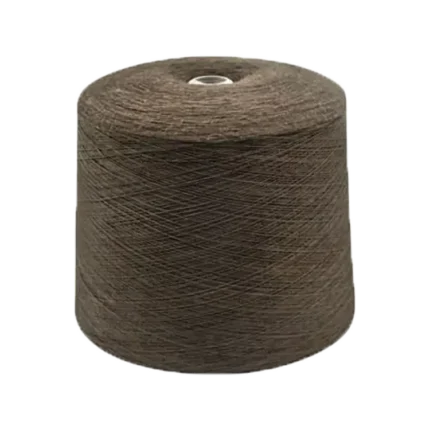

100% Nylon 0.5cm Feather Yarn
Feather yarn, also known as imitation mink yarn or eyelash yarn, refers to a special type of fancy yarn characterized by its ultra-soft, fluffy texture reminiscent of feathers or fur. Unlike actual feathers, feather yarn consists of synthetic filament fibers like nylon or polyester arranged around a central core yarn for an eye-catching, novelty effect. With origins in the Chinese textile market, feather yarns have rapidly grown in popularity across knitting, crochet, weaving, and other textile applications over the past few years.
Product Information
Features
- Plush
- Luster
- Feel smooth
- Soft and strong
- Keep warm
Uses
- Toy
- Household products
- Clothing
- Shoes
Introduction to Feather Yarn
Feather yarn, also known as imitation mink yarn or eyelash yarn, refers to a special type of fancy yarn characterized by its ultra-soft, fluffy texture reminiscent of feathers or fur. Unlike actual feathers, feather yarn consists of synthetic filament fibers like nylon or polyester arranged around a central core yarn for an eye-catching, novelty effect. With origins in the Chinese textile market, feather yarns have rapidly grown in popularity across knitting, crochet, weaving, and other textile applications over the past few years.
Most of the feather yarn (imitation mink yarn) on the market is made of . It is a fancy yarn that has emerged in the Chinese domestic market in the past two or three years. Its structure consists of core threads and hairiness, and the hairiness is arranged in a certain direction.

The hairiness of the feather yarn (imitation mink yarn) is naturally erect, with good luster, a soft hand feel, and the hairiness is directionally distributed, which makes the fabric surface plump and has a great decorative effect.
In addition, compared with other fluff yarns, feather yarns (imitation mink yarns) are not easy to lose hair. It has good wearing performance and strong warmth retention, and should be widely used in clothes, hats, scarves, gloves, socks, and can also be used for circular knitting cloth.

Feather yarn (imitation mink yarn) has a great response in the market, especially its growing demand in the international market. As more and more famous clothing brands use it in their products, imitation mink hair is recognized as a product with high economic benefits and good development prospects in the textile industry.
For textile manufacturers and designers, feather yarn opens up unique opportunities to create flowing, airy, and luxuriously soft fabrics and garments. The distinctive texture and drape of feather yarn knits and woven fabrics create intriguing visual effects within finished products. Feather yarns can be integrated into fabrics in different ways through techniques like intarsia, jacquard knitting, or embroidery to produce spectacular results.
Feather Yarn Manufacturing Process
The manufacturing process for feather yarn involves creating the fluffy, hairy texture through a specialized technique. It starts with producing the central core yarn, usually made of continuous filament fibers like nylon DTY or polyester DTY (Drawn Textured Yarn). The lighter ‘feather’ fibers are then wrapped diagonally around the core yarn at regular intervals. These are made of slightly lower denier filament fibers like nylon FDY or polyester FDY (Fully Drawn Yarn).

The density, length and thickness of the feather fibers can be varied to create different textures and levels of bulkiness in the final yarn. The angle of wrapping, amount of turn per inch, and percentage of filament fibers are optimized during production. The feather yarn is finally set by applying heat or through chemical treatment. Custom options like pre-dyeing the filament fibers in different colors are also possible.
Advantages of Using Feather Yarn
Feather yarns offer some unique benefits for textile manufacturers and designers:
- Create distinctive, eye-catching textures within knits, wovens, and other fabrics
- Lightweight, airy feel and excellent drape and hand
- Soft, smooth, and luxurious finish adding comfort and warmth
- Highly versatile and suitable for a wide variety of fabrics and garments
- Availability of custom colors, textures, weights and blends
- Visual appeal to consumers seeking novelty yarns
- Potential for interesting color combinations and prints
- Excellent durability and resilience compared to natural fibers
- Lower cost compared to exotic yarns like cashmere or alpaca
Applications of Feather Yarn in Textiles
Feather yarns can elevate a wide variety of textile products:
Outerwear: Coats, jackets, ponchos, wraps and shawls in feather yarn have a light, airy construction with great warmth. The lofty texture also creates interesting surface designs.
Scarves & Accessories: Bright, pre-dyed feather yarns are widely used in knitted infinity scarves, cowls, headwraps, gloves, hats and neck warmers.
Sweaters & Vests: Novelty sweaters and vests with feather yarn details add comfort and visual appeal. Varied textures emerge from integrating it with basic knits.
Home Textiles: Feather yarn is used in throws, cushions, rugs, table runners and other home décor products for softness.
Upholstery: Blending feather yarn in woven or knitted upholstery fabrics results in greater durability and unique textures.
Plush Toys: The soft, fluffy hand makes feather yarn ideal for plush toys and stuffed animals. Novel color and texture combinations are possible.
How to Choose the Right Feather Yarn
With a wide variety of feather yarn options available, textile manufacturers need to assess the right match for their specific product requirements:
Filament Fiber Type: Polyester provides higher durability and shape retention while nylon offers more drape and softness.
Denier: Lower denier fiber like 15D wraps tighter and creates more fluffiness. Higher denier like 30D gives more body.
Feather Texture: More turns per inch create denser, fuller feathers. Lower turns result in separated, wispier textures.
Weight: Heavier options like 3,600 yards/lb work better for knit fabrics while lighter weights like 7,200 yards/lb suit woven fabrics.
Customization: Opt for pre-dyeing or mixed color feathers for high novelty effects. Match feather colors to base yarn hue.
Quality: Check for yarn defects, consistent texturing and global compliance certifications.
Lead Times: Expect 3-5 weeks for custom orders depending on quantity. In-stock options have shorter lead times.
Feather Yarn vs Regular Yarn – Key Differences
While feather yarn shares some attributes with regular solid or textured filament yarns, some key differences influence its performance:
- Novelty texture and visual effects vs conventional uniform appearance
- Fluffy, smooth and airy feel rather than crisp or coarse hand
- More drape, stretch and flexibility compared to regular yarns
- Lower density and lighter weight for given thickness
- Surface fibers prone to pilling/fraying vs tightly constructed core
- More tricky to achieve perfect tension and gauge
- Requires gentler washing and care compared to hardy yarns
- Offered in limited colors unlike vibrant dyed regular yarns
- Higher pricing owing to specialist production processes
- Limited suppliers compared to commodity yarns
Quality Control in Feather Yarn Production
Maintaining stringent quality control is crucial during feather yarn manufacturing to ensure consistency:
- Raw material checks – accurate denier, tenacity, elongation
- Process monitoring – proper texturing, wrapping density
- Visual inspection at multiple stages – defects, joins, tension etc.
- Measurement of properties like hand, sheen, drape
- Testing of physical properties like strength, shrinkage etc.
- Pre-shipment sampling approval as per buyer specs
- Stringent production standards for fiber strength and security
- Compliance with regulations like REACH, RSL, OekoTex etc.
- Inventory segregation and labelling based on QC checks
- Statistical analysis to identify deviations from product specifications
Feather Yarn Weight Options
Feather yarns are available in a wide range of weights suitable for different applications:
Very Fine: Weights like 20,000 yards/lb work well for light shawls and lace fabrics.
Fine: Weights around 10,000 yards/lb are ideal for airy wraps and woven fabrics.
Medium: Weights between 6,000 – 8,000 yards/lb suit apparel like dresses, tops and accessories.
Bulky: Coarser options like 3,500 yards/lb create dramatic textures in sweaters and outerwear.
Jumbo: Super bulky weights like 2,000 yards/lb are used for plush toys and dramatic home textiles.
Choosing the right feather yarn weight allows manufacturers to achieve the required fabric hand, structure and design effects.
Feather Yarn Color and Dyeing Options
A key benefit of feather yarns is the possibility of interesting pre-dyed color options:
Solid Colors: Available in a wide spectrum ranging from neutrals like black, grey and white to bright shades like red, yellow and blue.
Ombré: Gradating from light to dark shades within the same yarn creates colorblocking effects.
Multi-Color: Random color mixes along the yarn length produces a mottled appearance.
Striped: Alternating pre-set color segments of the feather fibers produces striped textures.
The base core yarn can also be dyed in a matching or contrasting tone. Custom color matching is possible for large orders.
Ordering Customized Feather Yarn for Your Needs
Textile manufacturers can order customized feather yarn tailored to their specific product requirements:
Fiber Type: Choose from nylon, polyester or specialty options like recycled polymer fibers.
Texture: Specify turns per inch, feather density and length based on fabric needs.
Weight: Get the ideal thickness and yardage weight for knits, wovens or home textiles.
Color: Select from standard colors or develop custom solid, ombre or multi-colored options.
Special Finishes: Consider antimicrobial, flame retardant or other specialty finishes.
Blends: Combine feather yarn with natural fibers like wool, cotton, silk etc. for unique hybrid textures.
With careful specification of specialized properties, textile manufacturers can develop distinctive new feather yarn fabrics.
Working with a Reliable Feather Yarn Supplier
Choosing the right feather yarn manufacturer is crucial for textile companies to ensure flawless quality and timely supply. Key selection criteria include:
- Experience: Look for well-established suppliers with 5+ years in feather yarn production using advanced texturing technology. Salud Style is one of the experienced feather yarn manufactuers.
- Capacity: Partner with manufacturers that can handle large and customized orders with quick turnaround times.
- Quality Process: Verify stringent inspection standards at every production stage to guarantee consistency.
- Compliance: The supplier must adhere to all industry regulations and social compliance norms.
- Cost Effectiveness: Opt for suppliers with economies of scale that can offer competitive pricing and discounts on bulk orders without compromising on quality.
- Customer Service: Work with responsive partners providing guidance on selecting the optimal feather yarn specifications for your needs.
- Logistics: Suppliers with warehousing networks offer easier transportation and regional delivery options.
- Payment Terms: Flexible terms like LC, open accounts and extended credit are preferable for efficient cash flow management. We accept the following payment methods: T/T: 30% T / 70% T (pay the balance before shipment). L/C: 30% T / 70% T (pay the balance with the copy of the bill of lading).
Testing Feather Yarn Consistency and Quality
Thorough testing procedures are vital for evaluating feather yarn uniformity:
- Fiber Strength – Test breaking tenacity, elongation and elastic recovery.
- Evenness – Check for slubs, joins or knots along the length.
- Wrapping Consistency – Assess density, spirality and turns per inch.
- Defect Detection – Inspect for broken filaments, neps, oils, discoloration etc.
- Dimensional Stability – Measure shrinkage, twisting and stability during washing.
- Performance Testing – Evaluate behavior during processes like knitting, weaving, crocheting etc.
- Durability Testing – Assess resistance to pilling, fading, matting and abrasion.
- Hand Evaluation – Check softness, fluffiness, flexibility and overall feel.
- Sampling – Get lab dips approved before bulk production as per specifications.
Feather Yarn Defect Identification and Prevention
Common feather yarn defects and ways to prevent them include:
- Broken Filaments – Ensure proper tension control and minimize mechanical stress during production.
- Loose Wrapping – Optimize wrapping density and securely set the structure.
- uneven Texturing – Regularly monitor texturing jets and air pressures for consistent textures.
- Slubs – Monitor yarn quality and quickly fix issues in texturing machinery to avoid slubs.
- Excess Fraying – Use optimal feather filament length and tenacity to minimize fraying.
- Discoloration – Avoid contamination and use colorfast dyes; store away from heat/moisture.
- Tension Inconsistency – Ensure precision winding and tightly controlled delivery speeds.
- Damaged Spools – Handle spools gently to avoid crushing or deformation.
Optimizing Feather Yarn Usage in Your Production
Smart feather yarn selection and usage techniques can minimize raw material costs:
- Purchase economical feather yarn weights suitable for the fabric instead of over-speccing.
- For woven fabrics, opt for lighter weights like 8000 yards/lb instead of bulky yarns.
- Choose higher denier lower-cost fibers like 30D polyester instead of more expensive 15D nylon for non-apparel uses.
- Blend with small percentages of feather yarn instead of 100% composition where possible.
- Use pre-dyed colors to avoid separate dyeing processes.
- Ensure precision in gauge, tension and stitching to minimize wastage.
- Recycle spoiled ends, selvedges and waste for cost recovery instead of landfilling.
- Store feather yarn properly to prevent damage and wastage.
Cost Savings from Buying Feather Yarn in Bulk
Purchasing feather yarns directly from manufacturers in bulk quantities can provide considerable cost benefits:
- Factory pricing without distributor/agent markups and fees
- Lower logistics costs – full truckload rates vs parcel shipments
- Savings on packaging, labelling when buying in commercial spool sizes
- No minimum order quantity constraints beyond viability thresholds
- Payment flexibility – deferred LC, advances to ease cash flows
- Exclusive development support for custom products
- Prioritized production scheduling and lead time benefits
- Consistent long term supply assurance and risk mitigation
- Eliminate expenses associated with sourcing through intermediaries
Storing and Handling Feather Yarn Properly
Proper storage and handling practices prevent feather yarn damage:
- Control ambient conditions like temperature, humidity within recommended range
- Avoid direct sunlight exposure which can degrade fibers
- Ensure sufficient air circulation to prevent moisture buildup
- Use original packaging to prevent crushing, entanglement
- Limit stacking height to avoid bottom spools getting crushed
- Follow FIFO stock rotation and check for pest infestations
- Transport spools securely to prevent motion damage in transit
- Train workers on proper lifting, conveying and laydown techniques
- Control winding and unwinding tensions to avoid breakages
- Segregate greige and dyed yarns during storage and handling
Feather Yarn’s Performance Across Textile Applications
Feather yarn delivers unique advantages across knitting, weaving, crochet and other textile techniques:
Knitting: Creates fluffy, lofty fabric textures using basic and novelty stitches like cable, slipstitch, intarsia etc. Easy to handle during machine knitting.
Weaving: Adds novelty texture and drape when used in the weft. Can create varied visual effects in jacquard weaving.
Crochet: Produces luxuriously soft and flexible crochet fabrics. Lightweight and easy to stitch by hand or machine.
Handicrafts: Ideal for artisanal products like rugs, tapestries, scarves etc. Provides a colorful, fur-like texture.
Upholstery: Blends well with other yarns for woven and non-woven furnishings. Improves air permeability.
Plush Toys: Fluffy appearance and soft feel ideal for stuffed animals. Lightweight fill compared to regular fibers.
How Feather Yarn Creates Novel Visual Effects
Integrating feather yarn into textiles produces eye-catching visual textures through various mechanisms:
- Fluffy, fur-like appearance from fanned out feather fibers
- Alternating sections with and without feathers for colorblocking/textures
- Combination with smooth/shiny base yarns for striking contrast
- Tonal/multi-color feathers for ombre and mottled fabric effects
- Lucid, glistening sheen from light reflectance off feather fibers
- Layering feather yarns with varying colors/textures for dimensional fabrics
- Novel jacquard-woven patterns and intarsia via selective feather placement
- Unique striations, ribs and three-dimensionality from feather integration
- Varying fabric sheen and luster from alternating feathered/non-feathered areas
- Highly distinctive curvilinear motifs and outlines using feather yarn
Feather Yarn in Knitting and Crochet Projects
Feather yarn opens up many creative possibilities in knitting and crochet:
- Add supplemental rows of feather stitches to basic knits for texture
- Create novelty knits like feather and fan, faggoting lace using openwork stitches
- Generate visual interest through intarsia knitting with feather yarn
- Shape knitted fabrics like sweaters using short row techniques
- Make furry blankets and scarves using simple crochet stitches like single, half double or double crochet
- Craft chunky cowls or beanies combining feather yarn with thicker basic yarns
- Design crochet rugs and cushions by alternating feather stitches with solid panels
- Produce striped textures by switching between feather and regular yarn colors
- Shape creative stuffed toys or poufs by crocheting with feather yarn
Best Practices for Knitting and Crocheting with Feather Yarn
Certain tips help maximize results when working with feather yarn:
- Use appropriate gauges and needles to achieve the required fabric density
- Maintain consistent stitching tension – feather yarn is prone to loosening
- Limit wash cycles as feather fibers can deteriorate over time
- Handle gently and avoid friction to minimize shedding
- Wind small quantities of feather yarn at a time to prevent tangling
- Use sharp, fine crochet hooks to easily catch the fluffy feathers
- Brace projects with non-feathered structural yarn layers for support
- Carry unused feather yarn ends across wrong side to prevent unravelling
- Check projects regularly for dropped stitches – feathers conceal stitch holes
- Add seam allowance when assembling crochet pieces to minimize gaps
Tips for Weaving with Feather Yarn
Feather yarn requires certain adaptations to maximize results in woven fabrics:
- Use feather yarn primarily in the weft for good coverage and flexible fabrics.
- Maintain precise warp tension to prevent stretching when beating in the feather weft.
- Opt for high-density warp settings to keep feather yarn properly in place.
- Use multiple shuttle boxes with dedicated feather yarn shuttles to minimize snagging.
- Reduce shuttle race speeds to control dynamic forces during weft insertion.
- Insert cardboard strips when winding feather yarn on shuttles to prevent compression.
- Limit wash cycles after weaving – delicate feathers can deteriorate over time.
- Check tension consistency across the entire width using pickfinders to avoid snagging.
Achieving the Right Hand and Drape with Feather Yarn Fabrics
The fluffy, airy nature of feather yarn creates distinctive drape and movement in woven and knitted fabrics. Some techniques to optimize hand and drape include:
- Varying the ratio of feather yarn to smooth base yarn for the desired sheen and bulk.
- Using loose, open weave or knit constructions to allow the feather fibers to spread out.
- Inserting feathers in spaced out intervals rather than continuous insertion for greater drape.
- Combining different deniers and types of feather yarns – alternating sleek and fluffy variants.
- Inserting elastomeric yarns along with feathers to improve stretch and recovery.
- Using lower twist feather yarns in the weft direction to maximize drape.
- Optimizing fabric finish – raising, napping, brushing makes the feathers bloom outward.
Feather Yarn’s Properties and Suitability for Apparel
Key qualities make feather yarn well-suited for apparel:
- Lightweight and excellent drape – perfect for flowy garments.
- Highly flexible with good stretch and recovery for close fit.
- Delivers warmth without weight – ideal for cold weather clothing.
- Lovely soft, smooth hand that is gentle on skin.
- Absorbs and releases moisture easily – suitable for activewear.
- Resilient to pilling and abrasion during wear compared to natural fibers.
- Vibrant, deep dyed colors and ability to hold prints.
- Suitable for sensitive skin as feather fibers contain no impurities.
- Distinctive texture provides novelty and visual appeal.
Easy Care and Maintenance of Feather Yarn Textiles
Proper care is required while washing and storing feather yarn items:
- Dry clean or hand wash gently in cold water using a mild detergent.
- Limit machine washing – use a laundry bag and gentle cycle if needed.
- Reshape and lay flat for drying instead of high heat tumble drying.
- Use a fabric shaver instead of harsh abrasion to remove pills.
- Store cloth items folded rather than on hangers to prevent stretching.
- Avoid direct sunlight exposure and use fabric covers for storage.
- Clean plush toys with a soft brush instead of water immersion.
- Spot clean stains quickly instead of harsh rubbing.
Feather Yarn in Interior Design and Home Textiles
The enticing texture of feather yarn lends itself beautifully to interior textile applications:
Cushions: Knitted or crocheted covers, accent piping
Throws: Cozy lightweight blankets, faux fur accents
Rugs: Novelty textures and patterns using feather yarn mixes
Upholstery: Soft, flexible woven accent fabrics
Curtains: Fluffy layered sheers, textured blackout panels
Bedding: Duvet/comforter shell fabric, pillow shams
Table Linen: Runners, placemats and decorative tablecloth accents
Wall Hangings: Macrame, tapestry or embroidered art pieces
Accessories: Lampshades, pillows, baskets

Upholstery and Curtains Using Feather Yarn Fabrics
Feather yarn woven fabrics deliver comfort, durability and aesthetic appeal for upholstery and curtains:
Upholstery: Provides good abrasion resistance and ease of cleaning for daily use. Improves cushioning. Unique textures for accent areas.
Curtains: Light filtering and insulation properties. Sound dampening. Eye-catching draping effects. Combination with sheer base fabrics.
Sofa Throws: Novelty knit blankets adding warmth without weight. Soft, fuzzy hand.
Outdoor: Excellent weather resistance. Less moisture absorption than natural fibers.
Window Valances: Playful trims and layered details.
Shower Curtains: Colorfastness, mold resistance and easy soap scum cleaning.